


-
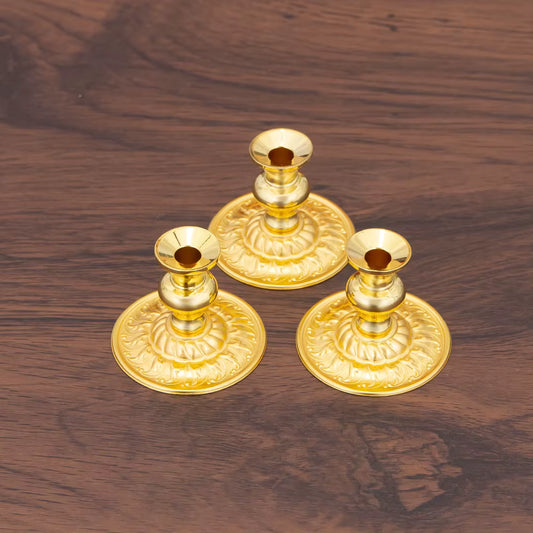
Mini Gold Candle Holder, 5 cm, for the Home Altar
Regular price 9,90€Regular price 9,90€ Sale priceUnit price per -
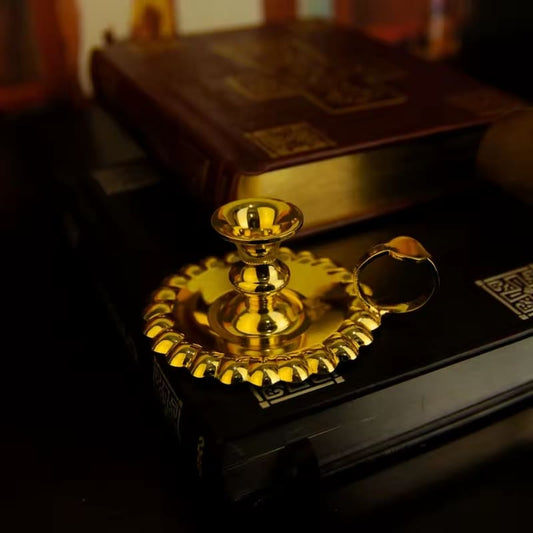
Gold-Plated Orthodox Alloy Candlestick
Regular price 18,90€Regular price 18,90€ Sale priceUnit price per -
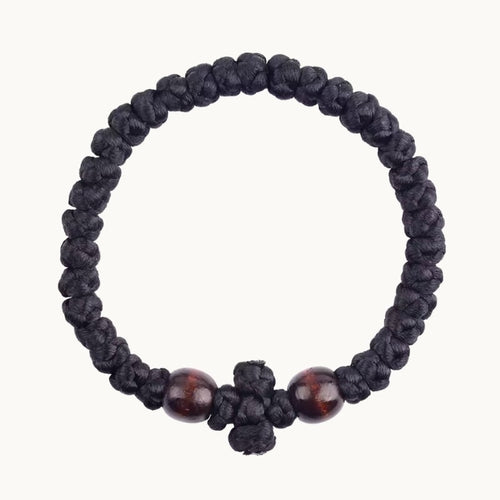
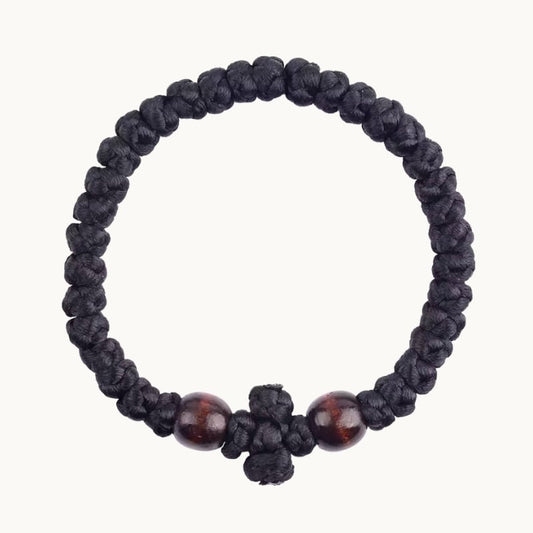
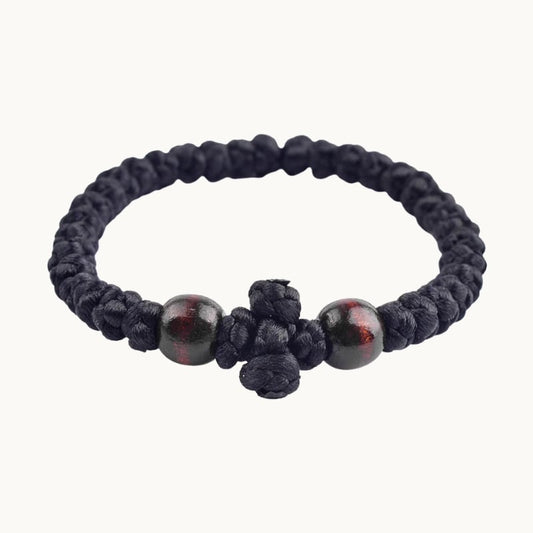
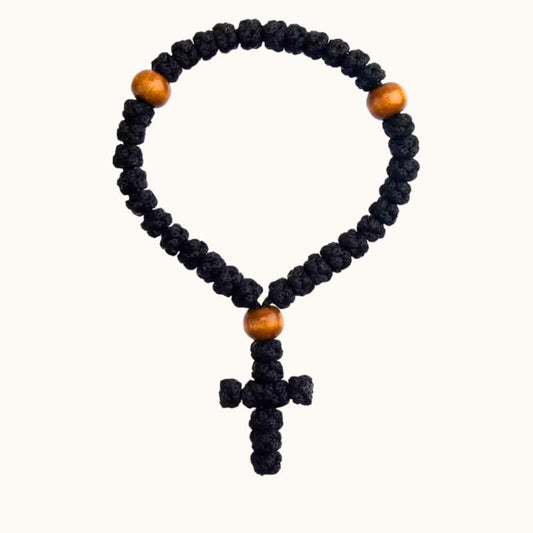
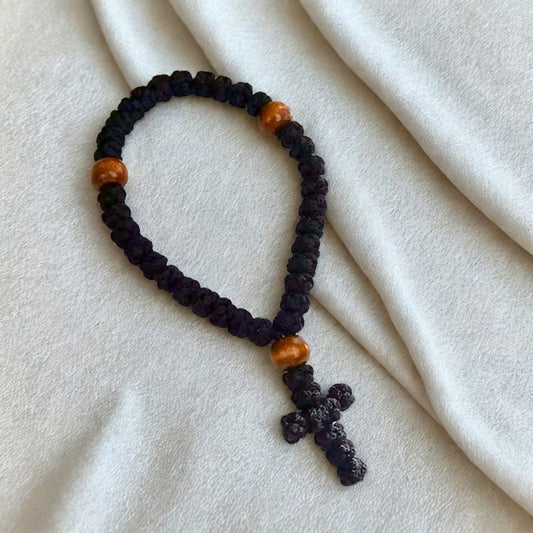
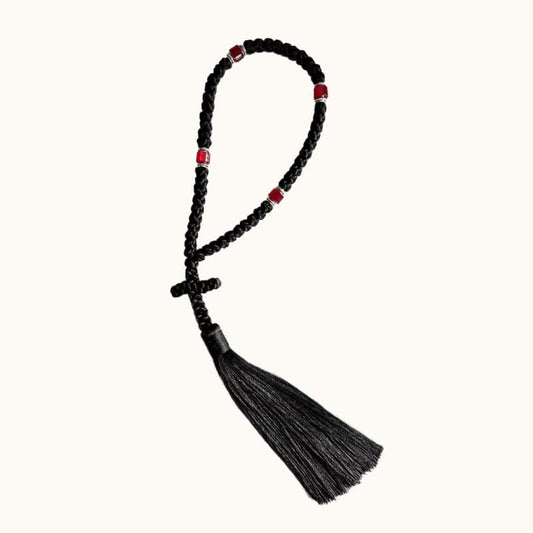
Orthodox Prayer Rope Bracelet
Regular price 16,90€Regular price 16,90€ Sale priceUnit price per -
Pocket Rosary Pietà — 33 Wooden Beads, Orthodox Cross
Regular price 25,40€Regular price 25,40€ Sale priceUnit price per11,57€ -
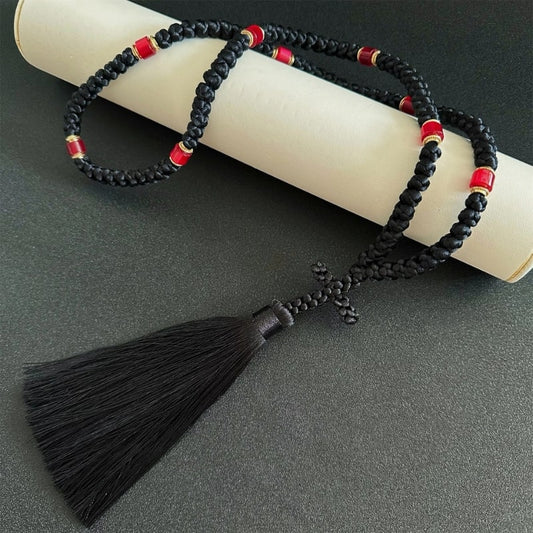
Orthodox Prayer Rope with 100 Beads, Handmade
Regular price 24,90€Regular price 24,90€ Sale priceUnit price per -
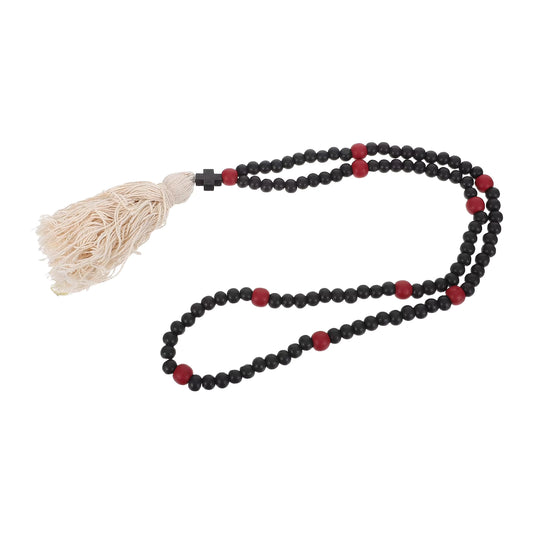
Orthodox Prayer Rope in Wood (Chotki), 110 Beads
Regular price 26,90€Regular price 26,90€ Sale priceUnit price per -
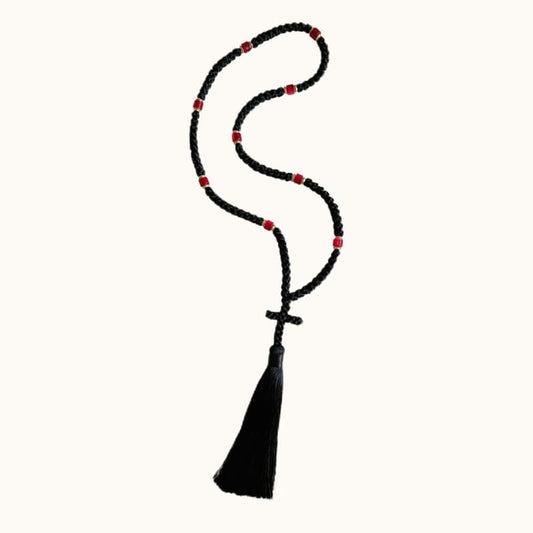
100 Knot Orthodox Prayer Rope
Regular price 28,90€Regular price 28,90€ Sale priceUnit price per -
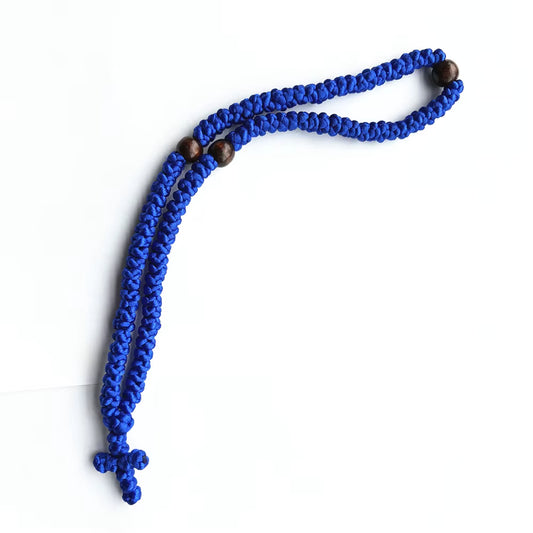
33 Knot Orthodox Prayer Rope
Regular price 16,90€Regular price 16,90€ Sale priceUnit price per -
50 Knot Orthodox Prayer Rope
Regular price 21,90€Regular price 21,90€ Sale priceUnit price per -
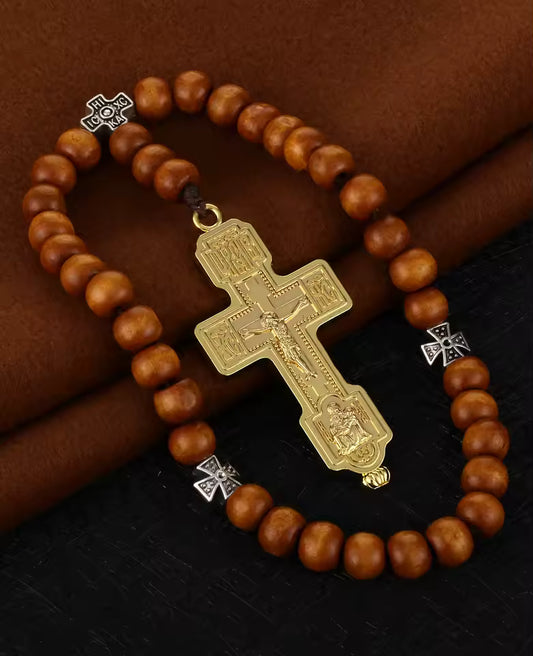
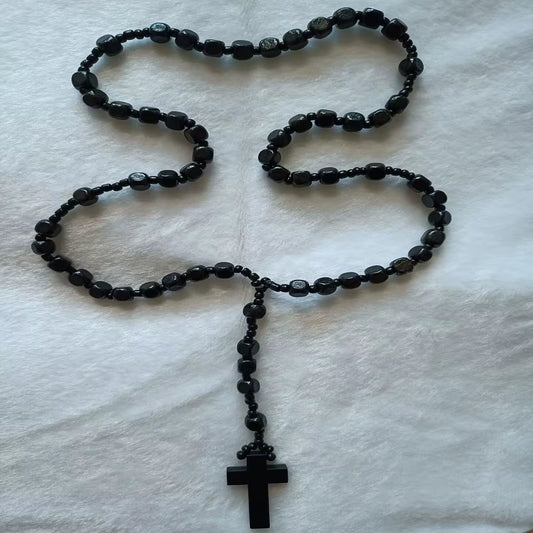
Orthodox Wooden Rosary — Unisex Necklace with Christ Cross Pendant
Regular price 23,70€Regular price 23,70€ Sale priceUnit price per -
Men's Christian Cross Necklace in Stainless Steel
Regular price From 24,50€Regular price From 24,50€ Sale priceUnit price per -
Orthodox Cross Necklace with Wooden Rosary — Unisex Crucifix Pendant
Regular price 18,90€Regular price 18,90€ Sale priceUnit price per11,57€ -
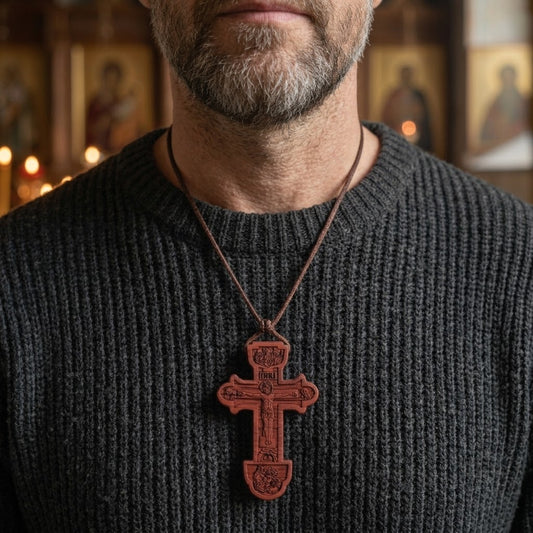
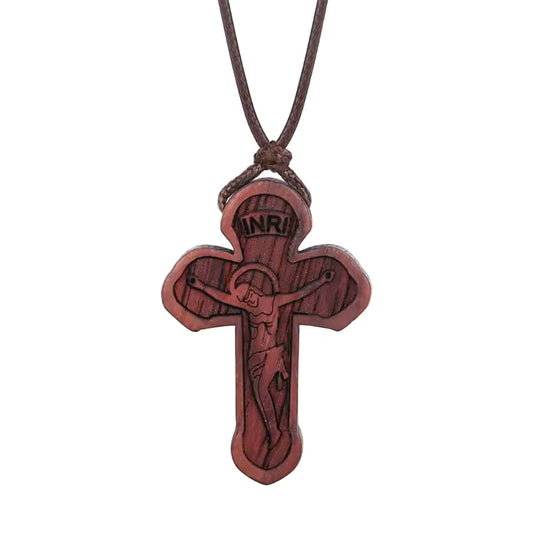
Orthodox Cross Necklace in Brown Wood with INRI Engraving
Regular price 23,90€Regular price 23,90€ Sale priceUnit price per -
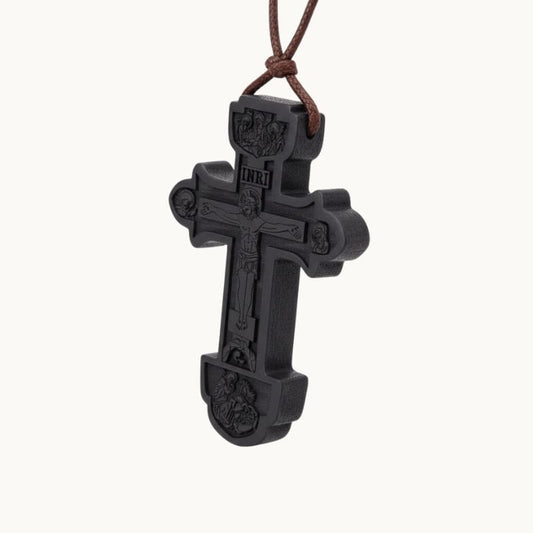
Black Wooden Orthodox Cross Necklace with INRI Engraving
Regular price 23,90€Regular price 23,90€ Sale priceUnit price per -
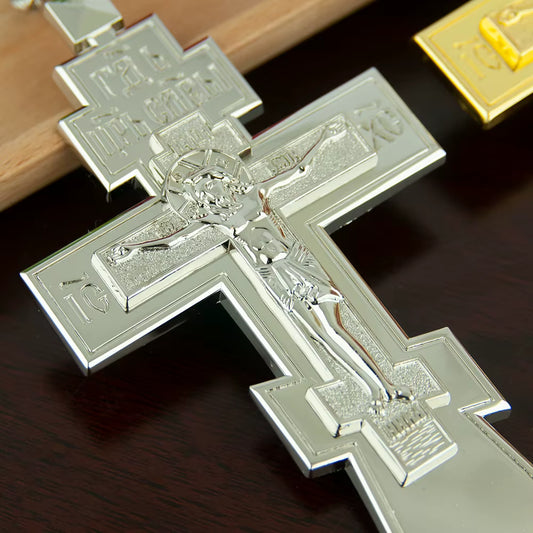
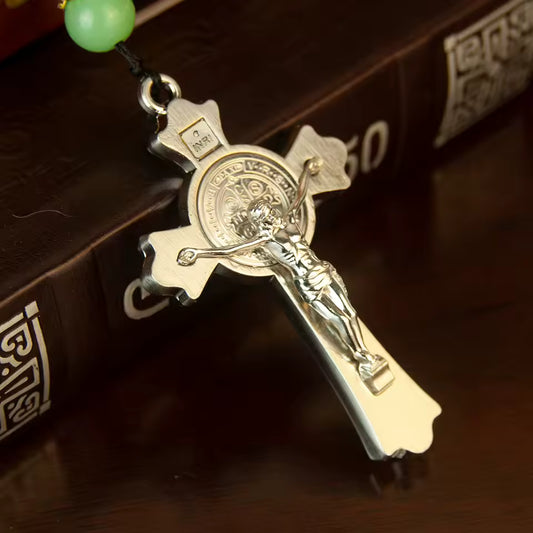
Eastern Orthodox Cross Necklace with Crucifix — Gold or Silver Plated Pendant for Men
Regular price 28,40€Regular price 28,40€ Sale priceUnit price per11,57€ -
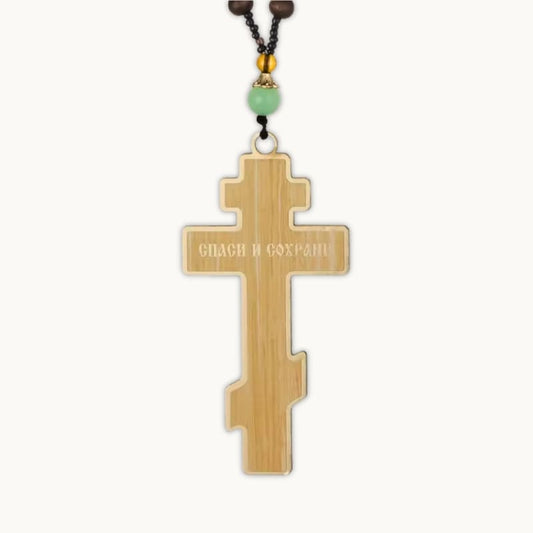
Russian Orthodox Cross Necklace in Ebony Wood
Regular price 22,90€Regular price 22,90€ Sale priceUnit price per -
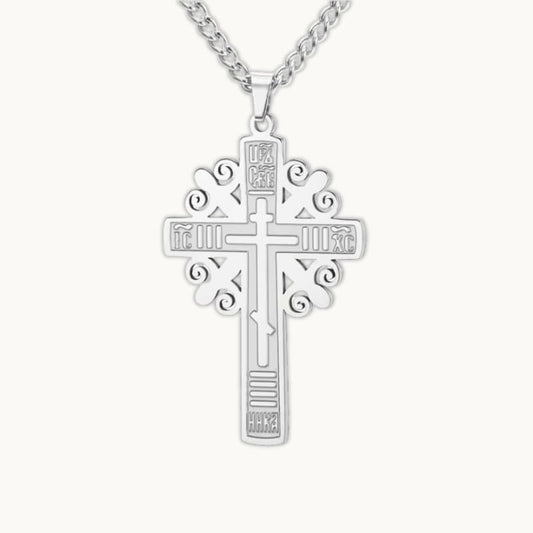
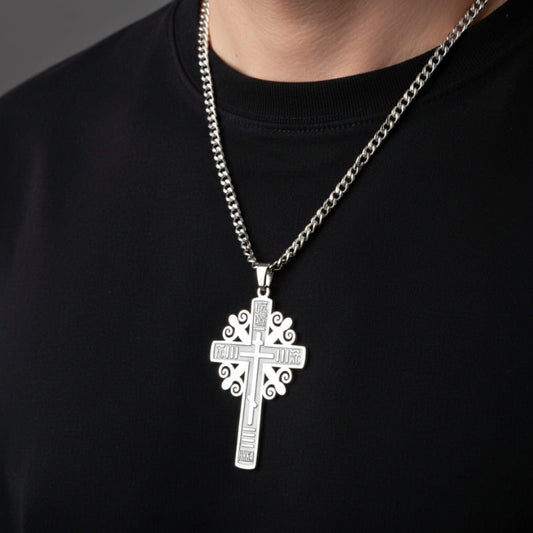
Serbian Orthodox Cross Necklace in Silver Finish
Regular price 28,90€Regular price 28,90€ Sale priceUnit price per -
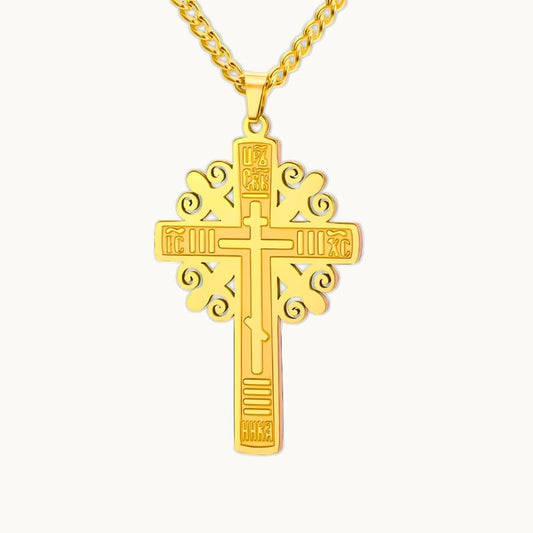
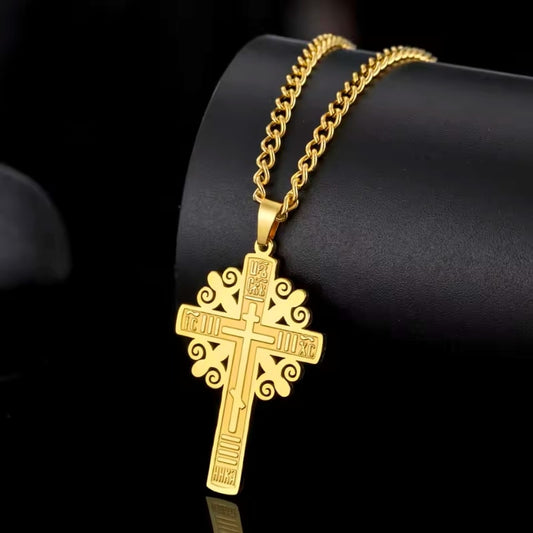
Serbian Orthodox Cross Necklace in Gold Finish
Regular price 28,90€Regular price 28,90€ Sale priceUnit price per -
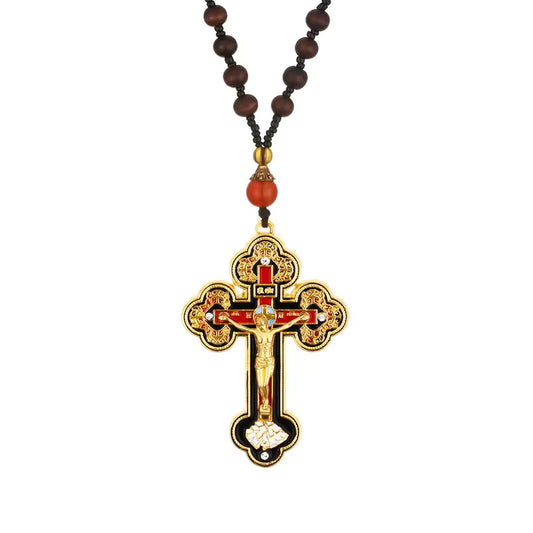
Traditional Orthodox Cross Necklace in Wood and Beads
Regular price 26,90€Regular price 26,90€ Sale priceUnit price per -
Crucifix Necklace with Wooden Bead Chain
Regular price 16,90€Regular price 16,90€ Sale priceUnit price per -
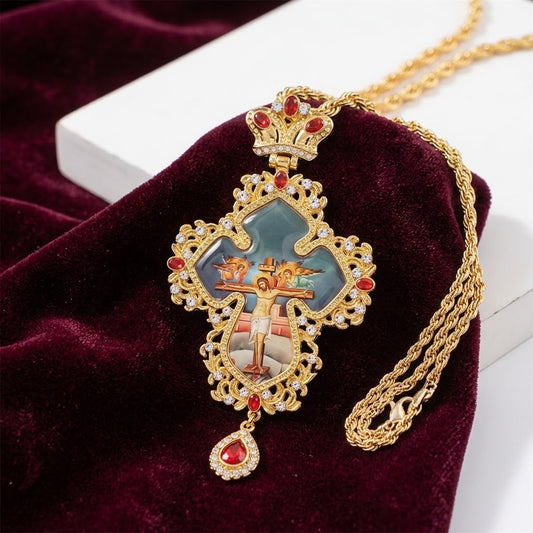
Long Pendant Necklace, Gold-Tone Pectoral Cross — Winged Crucifixion, Red Stones, Worn Low
Regular price 54,90€Regular price 54,90€ Sale priceUnit price per -
Long Pendant Necklace, Gold-Tone Pectoral Cross — Crucifixion with Mourning Angels, Red Stones, Worn Low
Regular price 54,90€Regular price 54,90€ Sale priceUnit price per -
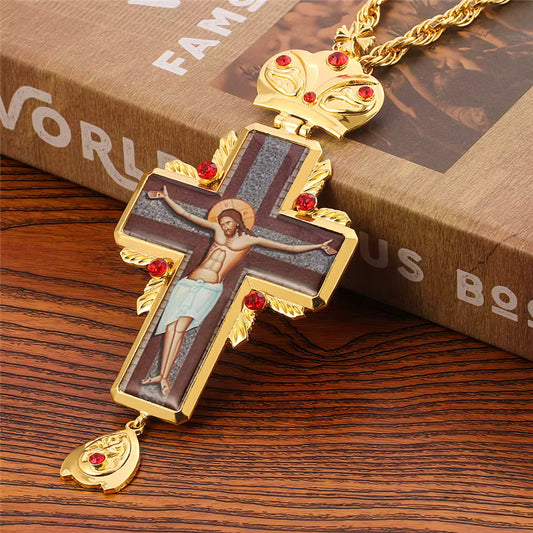
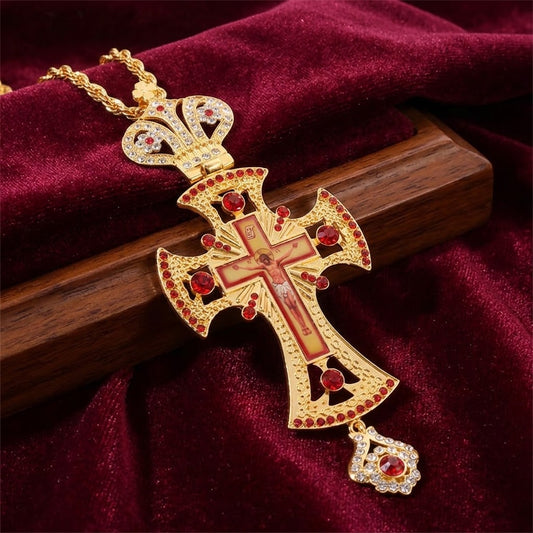
Long Pendant Necklace, Gold-Tone Pectoral Cross — Crucifixion, Red Stones, Worn Low
Regular price 54,90€Regular price 54,90€ Sale priceUnit price per -
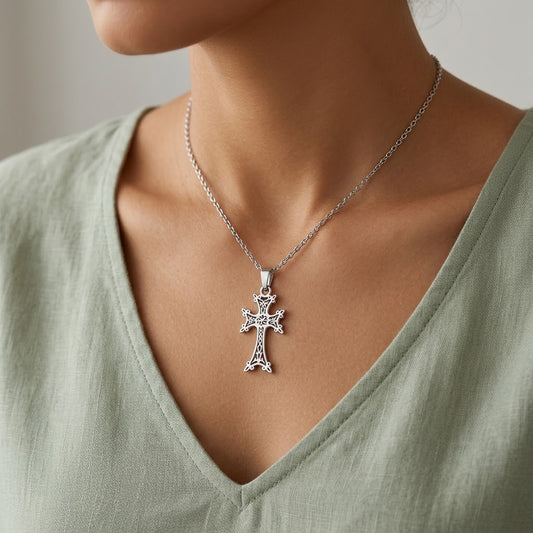
Armenian Cross Necklace, Ornate Openwork Pendant, Silver-Tone
Regular price 21,90€Regular price 21,90€ Sale priceUnit price per -
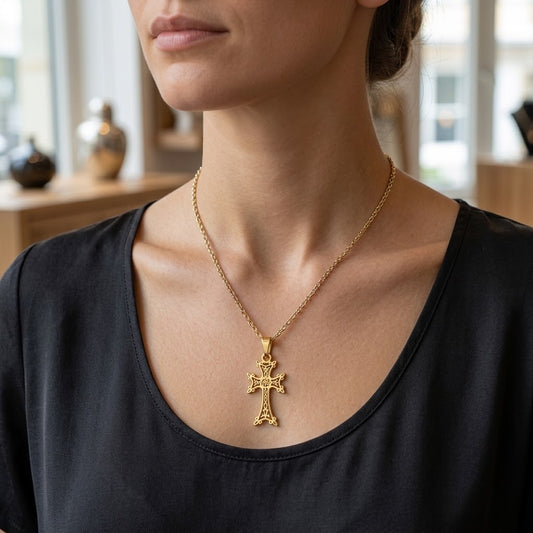
Armenian Cross Necklace, Ornate Openwork Pendant, 18K Gold Plated
Regular price 21,90€Regular price 21,90€ Sale priceUnit price per -
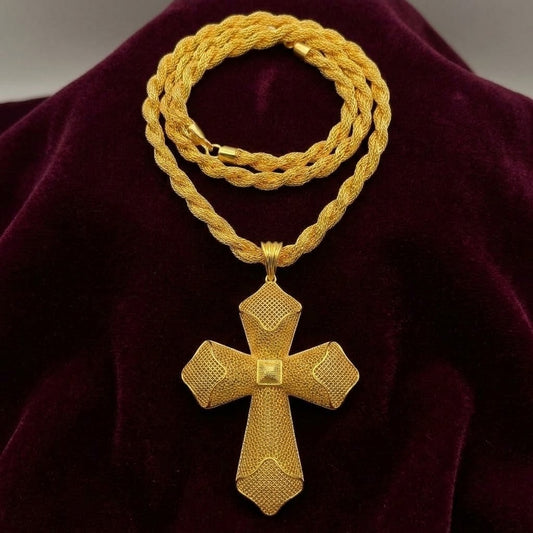
Ethiopian Filigree Cross Necklace, Gold Rosette Pendant
Regular price 34,90€Regular price 34,90€ Sale priceUnit price per -
Ethiopian Cross Necklace with Medallion, Large Gold Color Pendant
Regular price 34,90€Regular price 34,90€ Sale priceUnit price per -
Ethiopian Twisted Cross Necklace, Large Gold Color Pendant
Regular price 34,90€Regular price 34,90€ Sale priceUnit price per -
Pectoral Cross Pendant Necklace, Silver-Tone — Crucifixion, Turquoise Stones, Long Chain
Regular price 54,90€Regular price 54,90€ Sale priceUnit price per -
Pectoral Cross Pendant Necklace, Silver-Tone — Theotokos, Blue Enamel, Long Chain
Regular price 52,90€Regular price 52,90€ Sale priceUnit price per -
Pectoral Cross Necklace with Icon, Gold-Tone — Byzantine Style, Long Chain
Regular price 54,90€Regular price 54,90€ Sale priceUnit price per -
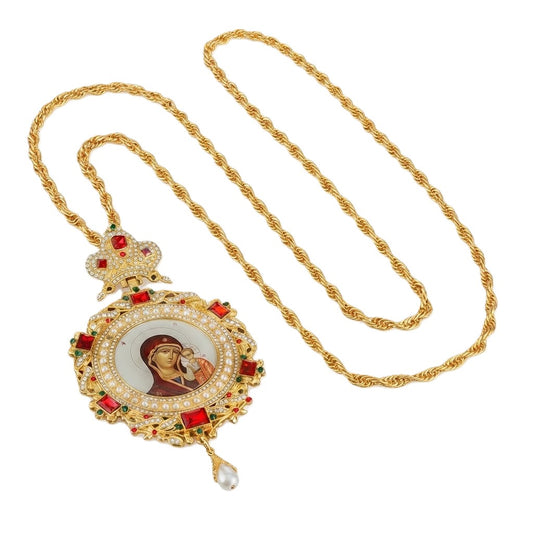
Panagia Pendant Necklace, Gold-Tone — Theotokos, Pearls and Red Stones
Regular price 28,90€Regular price 28,90€ Sale priceUnit price per

























The Orthodox Liturgical Spoon: a Sacred Instrument at the Heart of Communion
What is the function of the liturgical spoon in the Orthodox Church?
In the Orthodox liturgy, the liturgical spoon — known in Greek as labis (λαβίς) or in Church Slavonic as ljítza (Лжица) — is the sacred instrument used by the priest to distribute Holy Communion to the faithful. Unlike the Latin practice in which the faithful receive the host in the hand or directly on the tongue, the Orthodox tradition distributes the Holy Gifts — the Body and Blood of Christ united in the holy Chalice — with a liturgical spoon placed directly into the communicant's mouth.
This practice dates to the 9th century, when the Eastern Church adopted the spoon to preserve the sanctity of the eucharistic Gifts — ensuring that no crumb of the consecrated Bread falls to the ground and no drop of the precious Blood is lost. The Orthodox communion spoon thus embodies the infinite reverence that the Byzantine tradition holds for the Holy Mysteries.
Description and symbolism of the liturgical spoon
The Orthodox liturgical spoon is easily distinguished from an ordinary spoon by several defining features:
- Elongated handle: allows the priest to hold the spoon at the proper distance from the holy Chalice during the distribution of Communion, without risk of contamination.
- Cross at the top of the handle: a visible sign of the instrument's sacred function. Some models also carry a stone motif or decorative ornament.
- Precious materials: canonical tradition requires that objects in contact with the Holy Gifts be made from noble materials — gold, silver, or gilded metal. Our spoons are available in gold finish or silver finish.
- Small bowl: the deliberately small size allows for a precise and reverent distribution of the Holy Mysteries.
Our Orthodox Liturgical Spoons — Finishes and Models
Liturgical spoon in gold finish
The gold liturgical spoon is the most solemn choice and the most widely used in Greek Orthodox and Eastern parishes. Gold symbolises in the Byzantine tradition divine light and the glory of God — the same symbolism found on the domes of Orthodox churches, icons, and liturgical vestments. Our gold models are made from durable metal alloy with a carefully applied gold plating, designed for regular and intensive liturgical use.
Liturgical spoon in silver finish
The silver liturgical spoon is favoured in Russian, Serbian, and Slavic Orthodox parishes for its understated elegance. Silver has been the canonical metal par excellence for eucharistic objects since the earliest centuries of Christianity — chalices, patens, and liturgical spoons. Our mirror-polished silver finish delivers a result faithful to this tradition, in a material that holds up to daily use during services.
Who Is It For, and for Which Occasion?
- Orthodox parishes wishing to renew or complete their liturgical furnishings
- Priests and deacons looking for a quality communion spoon for personal use during services
- Newly founded communities assembling their first set of liturgical objects
- Faithful wishing to give a rare and meaningful liturgical gift to a clergyman for an ordination, a ministry anniversary, or a patron feast day
- Collectors of sacred objects and Orthodox liturgical art
Caring for the Liturgical Spoon
The Orthodox liturgical spoon is a sacred object that deserves care worthy of its function:
- Clean it after each use with a soft, clean cloth — never use abrasive products that could damage the gold or silver finish.
- Rinse it with warm water after consumption of the remaining Holy Gifts, in accordance with traditional Orthodox liturgical practice.
- Store it in a protective case or wrapped in clean cloth between services.
Frequently Asked Questions
Why does the Orthodox Church use a spoon for Communion?
The tradition of the liturgical spoon in the Orthodox Church dates to the 9th century. It was adopted to preserve the sanctity of the eucharistic Holy Gifts — preventing any accidental loss of the consecrated Bread or the precious Blood during the distribution of Communion. The spoon (labis in Greek, ljítza in Church Slavonic) allows the priest to give the Holy Gifts directly into the communicant's mouth with precision and reverence.
What distinguishes an Orthodox liturgical spoon from an ordinary spoon?
The Orthodox communion spoon is distinguished by its elongated handle (allowing the spoon to be held over the holy Chalice), the cross engraved at the top of the handle as a sign of its sacred function, and its noble materials (gold, silver, or gilded metal) in keeping with the canonical requirements of the Orthodox Church for objects in contact with the Holy Mysteries.
Is one spoon needed per priest or per parish?
As a general rule, every priest or deacon celebrating with a chalice has their own liturgical spoon. Larger parishes celebrating simultaneously with several chalices may require multiple spoons. Some parishes also keep spare spoons as replacements.
Are these spoons compatible with all Orthodox traditions?
Yes. The Orthodox liturgical spoon is a liturgical object common to all Orthodox Churches — Greek, Russian, Serbian, Romanian, Bulgarian, Antiochian. Its classic form and gold and silver finishes are recognised and used across all these traditions.