

Reading time: 5 minutes
Do you feel a calling towards the Orthodox tradition? Becoming Orthodox is a profound spiritual decision that deserves to be accompanied with kindness and knowledge.
This comprehensive guide presents all the steps of Orthodox conversion , the differences with other denominations, as well as practical advice for navigating serenely in your new life of faith.
What is conversion to the Orthodox religion?
Converting to Orthodoxy means embracing a 2000-year-old Christian tradition that has remained faithful to the teachings of the Apostles and Church Fathers. Unlike Roman Catholicism, Orthodoxy has preserved its decentralized structure and ancestral liturgical rites .
Orthodox conversion is not just an administrative change: it is a profound spiritual transformation centered on theosis (deification) and direct communion with God.

Why choose to become Orthodox?
A preserved tradition
The Orthodox Church claims an unbroken continuity with the early Church. Its liturgies, icons, and spiritual practices have passed through the centuries without alteration.
An embodied and mystical spirituality
Orthodoxy prioritizes the personal experience of God. Heartfelt prayer, the veneration of icons, and fasting create a vibrant spiritual framework.
A warm spiritual family
Joining an Orthodox parish means becoming part of a fraternal community . New converts are often welcomed with kindness.
The stages of conversion to Orthodoxy
1. Discovery phase (1-6 months)
- Attending services
- Read books about orthodoxy
- Discussing with believers or converts
- Explore several parishes
2. Spiritual guidance (6-12 months)
An Orthodox priest will guide you personally. The catechumenate may include:
- Church Theology
- Liturgy and Sacramental Life
- Liturgical vocabulary and icons
- Holiday Calendar
3. Conversion Rites
Orthodox baptism:
Orthodox baptism is performed by triple immersion, symbolizing death and resurrection with Christ. You will choose the name of an Orthodox saint who will accompany you spiritually.
Chrismation (Orthodox confirmation):
If you are already baptized in another Christian denomination , you will receive chrismation. The priest anoints you with holy chrism on your forehead, eyes, nostrils, mouth, ears, chest, and hands, saying: "Seal of the gift of the Holy Spirit."
Abjuration (if necessary):
Some Orthodox Churches are calling for a Formal abjuration of the "errors" of your former faith. This practice varies according to Orthodox jurisdictions.

Catholic conversion to Orthodoxy: The specifics
Doctrinal differences to be aware of:
- The Filioque : Orthodox Christians reject the addition of "and of the Son" in the Creed.
- Papal primacy : Rejection of the pope's universal authority
- The Immaculate Conception : A doctrine not recognized by orthodoxy
- Purgatory : A concept absent from Orthodox theology
Choosing your Orthodox parish
The different jurisdictions
Orthodoxy in France encompasses several jurisdictions:
- Greek Archdiocese (Ecumenical Patriarchate)
- Russian Archdiocese (Moscow Patriarchate)
- Romanian Archdiocese (Patriarchate of Romania)
- Serbian Archdiocese (Serbian Patriarchate)
- French Orthodox Metropolis (Western tradition)
Selection criteria
- Geographical proximity: Choose a parish that is easily accessible so you can participate regularly in services.
- Liturgical language: Some parishes celebrate in French, others in traditional languages (Greek, Slavic, Romanian).
- Community: Observe how newcomers are received and the general atmosphere.
- Spiritual father: The quality of pastoral care is crucial for your personal fulfillment.

Orthodox religious objects to accompany your journey
From the outset, some believers choose a powerful spiritual object to embody their approach:
- An Orthodox cross: to wear on oneself or to display in one's living space.
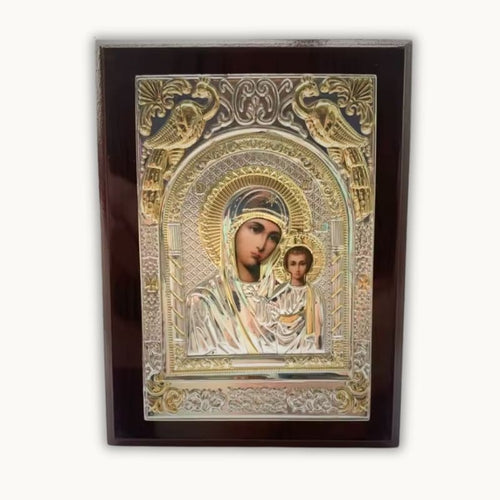
- An Orthodox icon: to hang at home in a prayer corner as a form of protection.
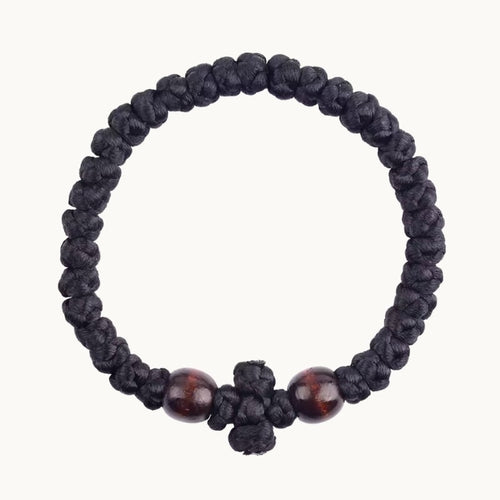
- An Orthodox prayer rope (chotki): to accompany one's prayers.

Common challenges and obstacles during conversion
Lack of understanding from those around him
Converting to Orthodox Christianity can create family tensions , especially if those around you practice another faith. Be prepared to patiently explain your reasons without becoming embroiled in controversy.
Practical learning
- New prayers : Our Father Orthodox, Jesus Prayer
- Fasting rules : 4 annual fasting periods + Wednesdays and Fridays
- Liturgical calendar : Movable and fixed feasts according to the Julian calendar
- Icon veneration : Appropriate gestures and attitudes

Ready to take the plunge and start your new Orthodox life?
Your conversion to Orthodoxy marks the beginning of a demanding yet enriching spiritual journey . This two-thousand-year-old tradition will accompany you in your quest for holiness and your personal relationship with God.
Don't hesitate to contact an Orthodox parish near you to begin this unique journey. Every conversion is a personal story that God writes with you.
To discover Orthodox spiritual objects that will accompany your new faith, explore our collection of orthodox icons, wall crosses or necklaces and traditional religious jewelry.